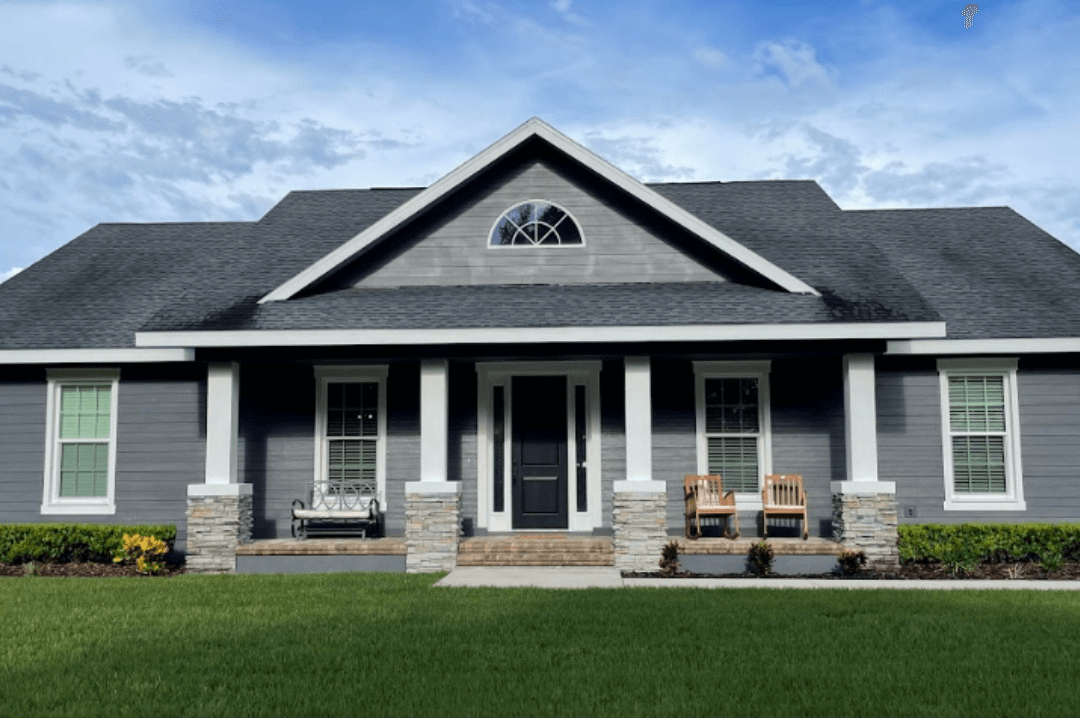

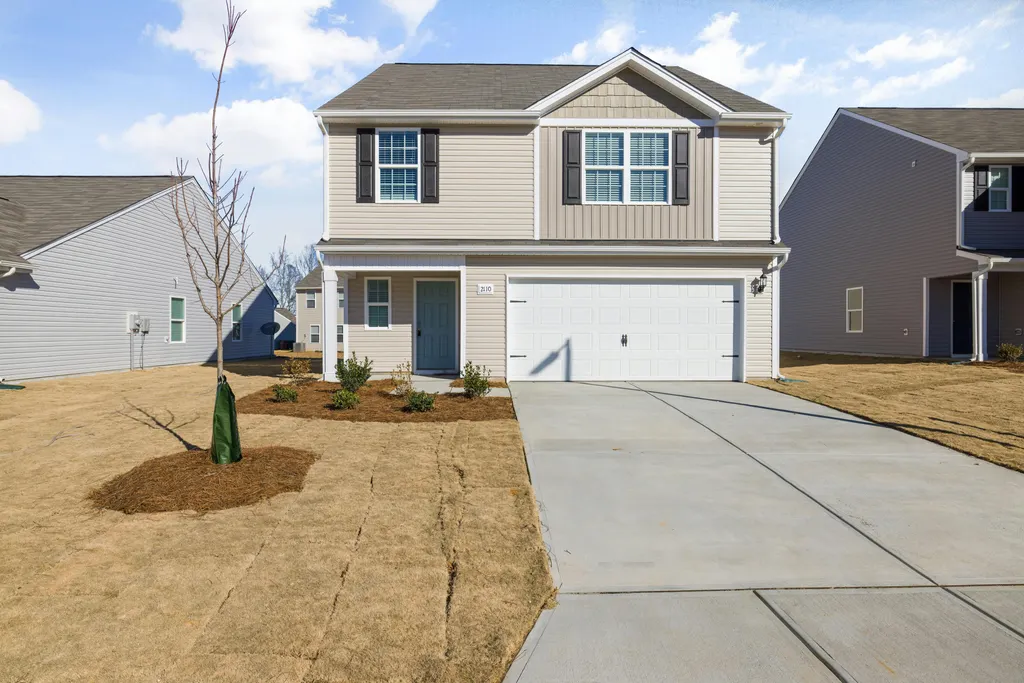
The best exterior paint colors for Tampa homes are sun-smart shades that resist fading and shrug off heat. Soft warm whites and light greiges lead, with classic white and cream especially popular on stucco. Whatever you choose, use a fade-resistant exterior paint so Florida’s sun does not wash it out by year three.
Your house takes a beating from the Florida sun, and Tampa Bay homeowners see it faster than most. The best exterior paint colors for Tampa homes are the ones that look current and hold their color through relentless UV. Choose well and your home looks fresh for years; choose wrong and it chalks by the third summer.

We repaint sun-blasted exteriors all over the bay, and the winning exterior paint colors share a few traits. It is the same sun-tested approach behind our exterior painting work. This guide covers the shades, the pairings, and how to make them last.
Best Exterior Paint Colors for Tampa Homes
Color out here is a two-part decision: how it looks, and how it survives. For Tampa and Florida homes, the shades that win are the ones that flatter the architecture and stand up to sun and salt air. Get both right and the payoff is lasting curb appeal.
Most local homes are stucco or a stucco-siding mix, which shapes the palette. Lighter, warm-leaning stucco and siding colors read clean and coastal while reflecting heat. The goal is a look that feels current without chasing a trend that dates in two years.

Why Florida’s Sun Changes Your Color Choice
Up north, color is mostly about taste. Here, Florida sun and UV exposure are the deciding factor, because intense light fades pigment and bakes dark colors. What looks rich on a chip can look tired fast on a west-facing wall.
That is why light colors reflect heat and generally hold up better outside in this climate. Pale and mid-tone shades stay cooler, fade more slowly, and hide the chalking that dark colors show first. Deep colors can still work beautifully as accents, just not usually across a whole sun-blasted facade.
Undertones matter too. Reading warm vs. cool undertones keeps a white from going pink or a gray from going icy against our bright light. The right undertone is what makes a color feel intentional.
Timeless Neutrals: Whites, Greiges, and Warm Grays
Neutrals are the safe, high-performing money for Florida exteriors. A soft warm gray and greige suits nearly every Tampa neighborhood and pairs effortlessly with white trim and stone. Shades like Sherwin-Williams Agreeable Gray or a warm Accessible Beige are reliable starting points.
Crisp whites and creams remain the coastal classic, especially on stucco, where they look bright without glaring. They keep a home feeling fresh and airy in the heat.

There is a resale angle, too. A clean, on-trend neutral is one of the surest ways to start boosting home value before a sale, and a fresh exterior adds real value beyond looks. Both brands also publish a color of the year each January, and the recent picks lean warm and earthy, which suits Florida light nicely.
Coastal and Bold Exterior Color Ideas
If you want more personality than a straight neutral, a few directions shine here. The trick is using bolder tones with restraint, usually as accents against a lighter body.
- Coastal blues and greens, from soft seafoam to muted sage, echo the water and feel right at home in Tampa.
- Navy and charcoal accents add depth on shutters, a garage door, or a covered entry.
- Black trim and shutters sharpen a light body and frame windows cleanly.
- A saturated front door color, like a warm teal or classic red, adds personality without overwhelming the facade.
These looks travel well across the coastal homes we paint across Riverview and greater Tampa, from Brandon to Wesley Chapel.

Pairing Body, Trim, and Front Door Colors
A great exterior is really a body and trim pairing plus a door that pops. The safest approach is to keep the body and trim in the same temperature family, then let the door carry the contrast. Here are three coordinated palettes that work in Florida light.
| Body | Trim | Front Door |
|---|---|---|
| Warm white (Alabaster) | Soft greige | Deep navy |
| Light greige (Agreeable Gray) | Crisp white | Matte black |
| Coastal blue-gray | Bright white | Natural wood |
Build any of these into a cohesive whole-home color palette, including garage door and shutters, and the house reads designed rather than pieced together. When in doubt, keep the body light and save the drama for the door.
Fade Resistance and HOA Guidelines
The color is only half the job; the product decides how long it lasts. In this climate, chemistry is everything, and independent paint testing shows how much the formula affects fade and durability. Here is how to make the color go the distance and stay compliant.
- Choose a fade-resistant, weather-resistant paint built for high UV and humidity.
- Look for UV-resistant coatings with strong pigment and resin quality.
- Match the paint sheen and finish to the surface, since a slight sheen sheds rain and cleans up better than flat.
- Check your HOA color guidelines before you commit, since many Tampa communities require approved palettes.
Do those four things and your color will look intentional and last, even in Lakeland’s open sun or a west-facing Tampa wall.

Professional Exterior Painting in Tampa
Great color still needs great application to survive Florida. Professional exterior painters handle the power washing, stucco repair, priming, and premium coatings that make a color last. That prep is where a lasting finish is won or lost.
The payoff is a durable, long-lasting finish that holds its color for years, backed by our 5-year workmanship warranty. We are licensed and insured, so your home and your investment are protected from the first wash to the final coat.
Ready to lock in the best exterior paint colors for Tampa homes on your own house? Book a free color consultation to nail down your palette. Request a free estimate and we will walk your exterior with you.
Frequently Asked Questions
What are the best exterior paint colors for a Tampa home?
Warm whites, light greiges, and soft warm grays lead, with coastal blues and greens and dark accents for contrast. All of them suit local architecture and hold up well in the sun.
Which colors resist fading in Florida’s intense sun?
Lighter and mid-tone shades in a quality, UV-resistant paint fade the slowest. The product and finish matter as much as the color, so choose a coating built for high UV and humidity.
Do lighter or darker exteriors perform better in the heat?
Lighter colors reflect more heat, fade more slowly, and stay cooler on the wall. Darker shades look striking but are best used as accents rather than across a whole sun-exposed facade.
What body, trim, and door combinations look best?
Keep the body and trim in the same temperature family, then let the front door provide contrast. Warm white with greige trim and a navy door, or light greige with white trim and a black door, both work beautifully.
How do I stay within HOA color guidelines?
Request your community’s approved palette before choosing, and get any custom color approved in writing. A local pro can help you pick a compliant shade that still stands out.
How long will the color last, and should I hire a pro?
With quality paint and proper prep, a good exterior finish holds up for years in Florida’s climate. Professional prep and application are what make that lifespan realistic, especially on stucco.