
The difference between residential and commercial painting services is mostly about the job around the paint, not the paint itself. Residential painting happens in a home, usually during the day, with the owner choosing colors and finishes. Commercial painting happens in a business or shared property, such as an office, store, apartment community or HOA neighborhood, where the crew works around operating hours or residents, finishes are chosen for traffic and maintenance cycles, and the job answers to a manager, a board or a schedule. Many Tampa Bay painters, including our crews, do both.
Below, I’ll walk a commercial job and a home job we painted through the same stages so you can see where they split.
What Is Commercial Painting?
Commercial painting is painting done on property that’s run as a business or shared by many people, rather than on a single family’s home. In Tampa Bay that covers offices, retail stores, warehouses, apartment communities and HOA neighborhoods, and the work is usually set up by a property manager, a business owner or a board instead of a homeowner.
Our crews handle commercial painting across Tampa Bay alongside homes, so the comparisons below come from both sides of our schedule.
The Difference Between Residential and Commercial Painting Services, Stage by Stage
The brushes and rollers are the same. What changes is everything around them:
| Stage | Home | Business |
|---|---|---|
| Sign-off | Owner | Manager or board |
| Work hours | Daytime | Around hours or residents |
| Protection | Furniture, floors | Walkways, parking, notices |
| Paint choice | Look, washability | Traffic, upkeep, uniform color |
| Timeline | A few days | Phased, fixed window |
| Close-out | Walkthrough | Punch list, sign-off |
Before the First Coat: Who We Answer To
At home, one person or one couple makes every call. On a commercial job, we’re usually working to a spec someone else approved, and the person who signs off may never live with the walls.
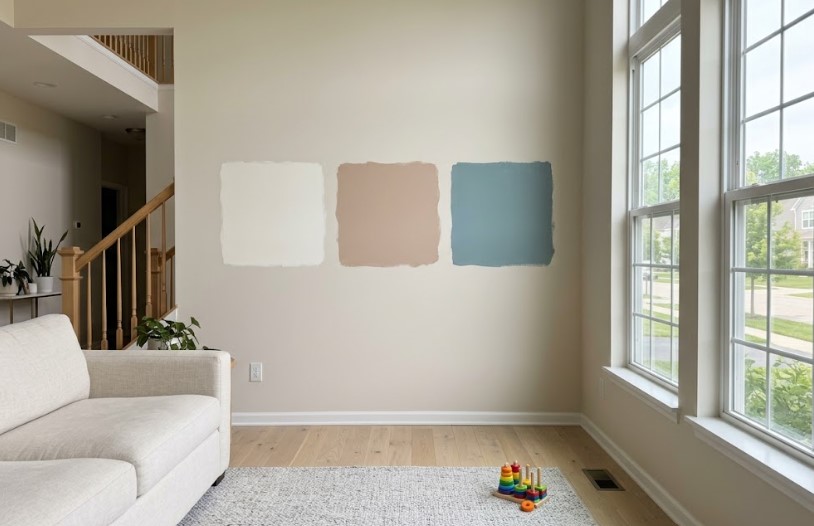
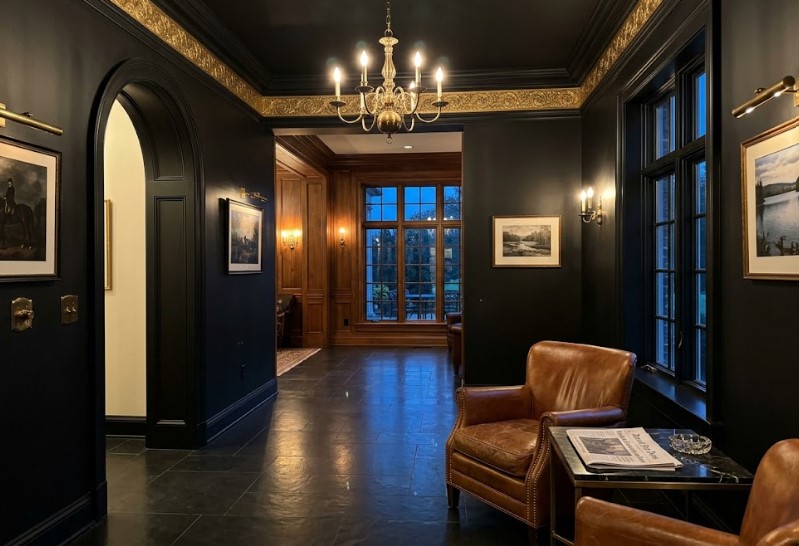
Take the Mediterranean-style stucco home we painted in Tampa, FL last spring. The homeowners wanted their entry hall to feel like an old gentlemen’s club, with near-black walls and ceiling, the gilded crown molding left to stand out, and the wood-paneled study beyond kept as is. They narrowed it down by testing three black samples on the wall during our free color consultation. Either way, the decision was theirs alone.
While We Work: Hours, Access and Protection
In a home, we work around one family’s day: moving furniture, covering floors and keeping a bathroom usable. On a commercial job, we work around everyone else’s. Residents still need to get to their doors, customers still need to get in, and nobody can lose a parking spot without warning.
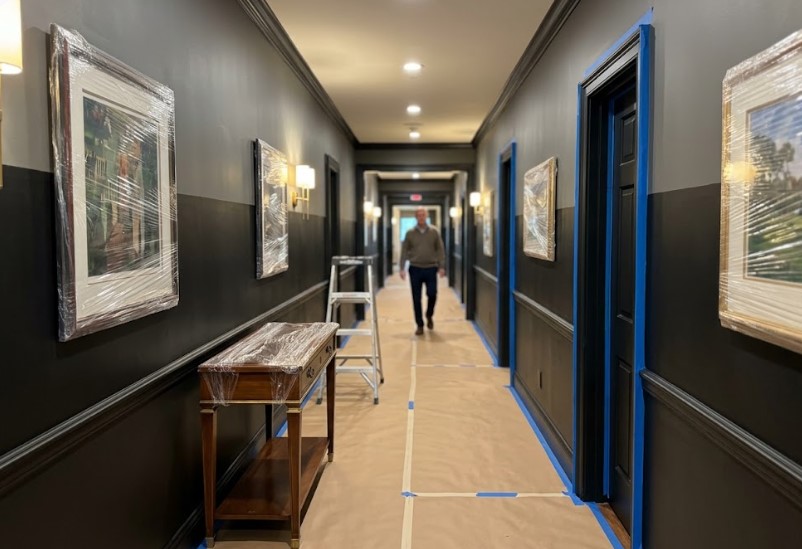
On this apartment complex, the property manager required that no more than two buildings be under work at once and that nothing start before 8 a.m. We split the job building by building, posted door-hanger notices 72 hours ahead, and kept walkways, parking and entrances open the whole time.
A crew of 8 painters finished in 34 working days, about a week later than planned after a stretch of summer afternoon storms washed out several days.
Outside, Tampa adds one more rule: the afternoon storm. Paint needs time to dry before rain hits it, so in summer we started at 8 a.m. sharp, painted the sun-facing sides first, and wrapped up exterior coats by early afternoon, leaving the later hours for prep and trim under the breezeways. On a house, a rain day just moves the family’s finish date. On a property with a fixed window, it has to be planned in from the start.
What We Put on the Walls
At home, finish choice comes down to how it looks and how easily it wipes clean. In commercial work, the questions change: how much traffic will hit it, how often the manager plans to repaint, and whether a touch-up next year will match the building next door.
Stucco is where Tampa jobs of both kinds overlap. Whether it’s a house or an apartment building, cracks get patched, the surface gets the right primer, and elastomeric goes on where the wall needs it to bridge hairline cracks and shed rain. Inside occupied buildings, we lean on low-VOC paints so residents and staff aren’t living with the smell.
The Gray Areas We See: HOA Communities, Condos and Rentals
Plenty of Tampa Bay jobs sit somewhere in between. A house in an HOA community is a private home, but the board usually has to approve the exterior color before we touch it. A condo unit belongs to one owner, while the hallways, balconies and outside walls belong to the association. And an apartment turnover is a home for the next tenant but a deadline for the landlord, who needs it done before move-in day.
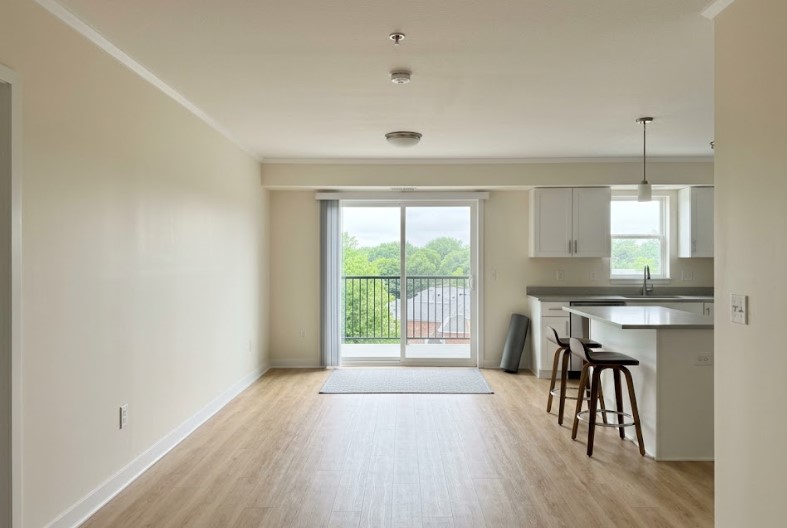
If you live under an association, check its color list and approval process before you call any painter. It’s an easy step to forget, and it can hold up a start date.
Hiring Commercial and Residential Painters: What Changes
When the same company does both, the crew and the paint stay the same, but what you see from us before day one changes. Homeowners get an estimate, a color conversation and a start date. Businesses and boards usually also get a certificate of insurance naming the property, a written schedule built around their hours, and a single point of contact who answers to the manager rather than to whoever’s home that day.
Good commercial and residential painters should be able to show you both sides of that paperwork.
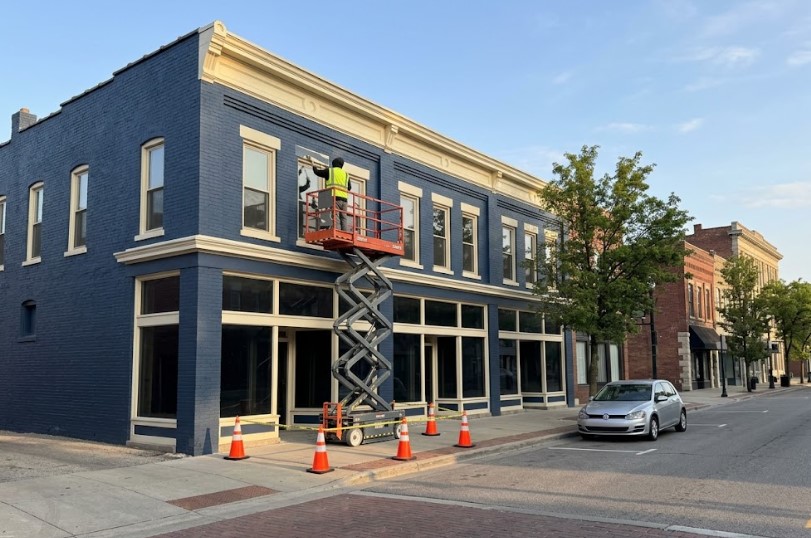
The rest of the questions worth asking come down to choosing a commercial painting contractor who has done work like yours, and a quick look at their past jobs will tell you more than any sales pitch.
FAQ
Is painting a condo or an apartment unit residential or commercial work?
When an owner hires us for their own unit, it’s residential. When a landlord or management company hires us to turn over units, or the association hires us for hallways, balconies or the exterior, it runs like commercial work, with their schedule, their colors and their rules.
What insurance paperwork should a business ask its painter for?
Ask for a certificate of insurance showing general liability and workers’ compensation, with your company or property listed as the certificate holder. Most property managers won’t let a crew on site without one, and established commercial and residential painters will send it before the estimate is even signed.
Does painting inside an HOA community count as commercial work?
Painting one owner’s house is residential, even inside an HOA, though the board usually approves the exterior color first. When the HOA itself hires the painter for clubhouses, entry walls or a community-wide repaint, that’s commercial work.
Home or Business, We’ll Plan It Around You
Whether it’s your house, an office or a whole community, we’ll walk the property, find out who signs off and build the schedule around the people using it. Our crews take on painting for businesses, HOAs and property managers across Tampa Bay, alongside homes. Call (813) 966-3909 for a free estimate.